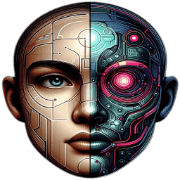
Introduction: More Than Just a Funny Filter
AI face swap apps look like lightweight entertainment, yet they tap into how we see ourselves, how we want others to see us, and what we consider real online. Every swap is a tiny experiment with identity, power, and possibility—one reason these tools feel surprisingly emotional and addictive.
The Thrill of Play and Novelty
Humans crave playful surprise. Seeing your own face in the “wrong” context triggers a clash between what you know and what you see, creating instant delight. Each swap is a personal plot twist, delivering a mini shock, laugh, and story to share.
Self-Presentation: Curating the Better Me
Social media encourages managed identities. Face swap tools supercharge that impulse by letting anyone appear more stylish, relevant, or connected to pop culture on demand. With a few taps, you can publish not just who you are, but who you want others to imagine.
Identity Play: Trying On Different Selves
Identity evolves over time, and the internet offers a low-risk playground. Face swapping acts like a digital costume trunk, letting people test genders, ages, aesthetics, and roles. For some it is pure curiosity; for others, especially those exploring identity, it can feel validating and revealing.
Social Connection, Memes, and Belonging
Face swaps rarely stay private. Posting a swapped clip is a way to join trends, inside jokes, or challenges. Likes, shares, and duets deliver social rewards that reinforce the habit and nudge people to try the next filter so they are not left out.
Curiosity About Real vs. Fake
Modern swaps sit on the line between believable and impossible. Viewers test themselves—“Can I spot the fake?”—and wonder what else is achievable. That curiosity keeps them consuming, creating, and debating AI media, especially as the realism keeps improving.
The Dark Side: Power, Control, and Anxiety
The same tech that powers playful self-expression can be weaponized. Stories about scams, non-consensual deepfakes, or political manipulation create a mix of fear and fascination. People look harder, asking, “Could this happen to me?”—which keeps face swaps in the cultural spotlight.
Escapism and Emotional Relief
Transforming into a movie star or meme character can provide a quick escape from stress. In moderation, it is harmless fun. But if someone consistently prefers their edited self to their real one, it may chip away at self-esteem and body image.
Why It Feels So Addictive
- Face swaps deliver playful surprise.
- They offer control over self-image.
- They enable safe identity experimentation.
- They earn social feedback through humor and trends.
- They touch deeper fears about truth, privacy, and manipulation.
When one tool satisfies so many emotional needs, people naturally come back for another “mini experiment” with who they are and what feels real.
Conclusion: Digital Mirrors of the Modern Self
Face swap apps may look like simple filter trends, but they function as digital mirrors reflecting how we think about identity, image, and truth. Understanding the psychology behind them helps us choose how—and why—we use these tools. Every “funny” swap is also a moment of self-discovery; staying conscious of that is the key to enjoying the tech without losing ourselves in it.